Thursday, July 10, 2014

MedCare Hosts Backpack/School Supply Drive July 14th-August 4th!

It’s almost back to school time, which means it’s Backpack Drive time!  We will be hosting our annual backpack drive from Monday, July 14th-Monday, August 4th.  Backpacks and supplies will be distributed to needy families the week of August 11th, just in time for school to start on the 25th!

We will be accepting donations at the corporate office as well as at each of the clinic locations.  Our backpacks will be given out on a first come, first serve basis and we really want to make sure that we are targeting families who really have a need for assistance.   

Examples of some of the requested items include:

Crayons
Markers
#2 Pencils
Erasers
Glue
Hand Sanitizer
Tissue
Composition books
Colored Pencils
Scissors

If you have any questions, please contact Sommer LaShomb at (713) 773-5100 ext. 131!


Wednesday, July 9, 2014

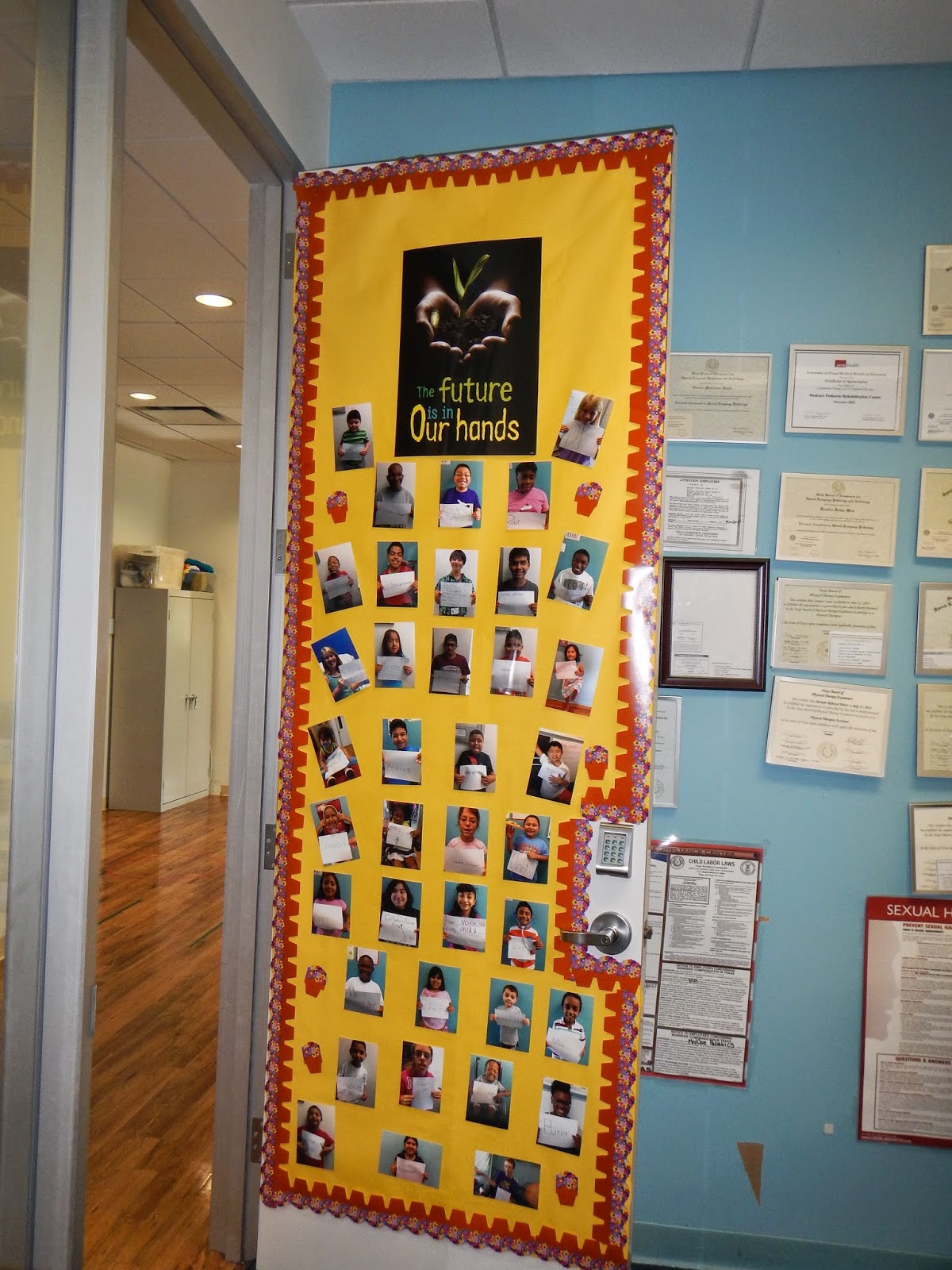
How Far Will You Grow Door Decorating Contest

Every year at MedCare we choose a theme that will represent our goals for the upcoming year.  Tied to this theme are many fun activities for our staff and our patients throughout the year!  This year's theme is "How Far Will You Grow" as many of our goals for 2014 have to do with growth, both personally and professionally.  Last week, we held a door decorating contest at all locations and encouraged staff to use their talents and creativity to bring our How Far Will You Grow theme to life.  Our creative staff went above and beyond to make some beautifully decorated doors and the full display can be found on our Facebook page but we wanted to give the winners a little special recognition here! 


Winning Door #1


Door decorated by Tiffany Carter, Assistant SLP at Northshore Clinic

Winning Door #2


Door decorated by Lucy Salinas, SLP at Northshore Clinic

Winning Door #3


Door decorated by Sylvia Alvarado, Client Services Coordinator for Home Health
"A flower does not think of competing to the flower next to it.  It just blooms."

Winning Door #4


Door decorated by Nhi Nguyen, OTR at Stafford Clinic
"Only as high as I reach, can I GROW
Only as far as I seek, can I go
Only as deep as I look, can I see
Only as much as I dream, can I be"

Winning Door #5


Door decorated by Melanie Meister, COTA at Stafford Clinic
"The future is in our hands" 

Wednesday, January 15, 2014

January is National Birth Defects Prevention Month!

According to the Centers for Disease Control (CDC), birth defects affect 1 in 33 babies every year and cause 1 in 5 infant deaths.  In honor of National Birth Defects Prevention Month we will be talking about what birth defects are, how they may be prevented, and we will talk more specifically about two common birth defects which may be able to be prevented, Neural Tube Defects and Fetal Alcohol Syndrome.

What is a Birth Defect?

Birth defects are abnormal conditions that happen before or at the time of birth.  Some can be very mild, like an extra finger or toe while others can cause serious physical, mental, or medical problems.  Birth defects can have a number of different causes including genetics, environment, drugs and alcohol, chemicals, medicines, and maternal illness or infection.  There are also many birth defects which are caused by unknown factors. 

 
Many birth defects happen very early in pregnancy, sometimes before a woman even knows she is pregnant.  Some birth defects can even be diagnosed before the baby is born.  Tests like ultrasounds and amniocentesis can detect birth defects such as Spina Bifida, heart defects, or Down syndrome before a baby is born.
 

Many birth defects are not found immediately at birth.  Birth defects can affect how the body looks, how it works, or both.  Some birth defects like cleft lip or Spina Bifida are easy to see at birth.  Others, like heart defects or hearing loss are not.

 
How Can Birth Defects Be Prevented?

Woman can take important steps before and during pregnancy to help prevent birth defects.  All women who can become pregnant should take in at least 400 mcg of folic acid every day.  Folic acid helps a baby’s brain and spine develop very early in the first month of pregnancy, before a woman may even know that she is pregnant.  Pregnant women should avoid using cigarettes, drugs or alcohol and also use caution when taking medications.  Regular medical checkups while pregnant will help ensure that mom and baby are healthy and developing normally.  Eating a healthy, nutritious diet and exercising regularly can help ensure a baby is born healthy.  Pregnant women should also wash their hands often, especially after using the restroom, touching raw meat, uncooked eggs or unwashed vegetables, handling pets, gardening, or caring for small children.      

 
What are Neural Tube Defects?

Neural tube defects are birth defects of the brain, spine, or spinal cord.  They happen in the first month of pregnancy, often before a woman even knows that she is pregnant.  In a developing baby, certain cells form a tube called the neural tube which will later become the spinal cord, the brain and the nearby structures that protect them including the bones of the spine.  A neural tube defect occurs when this tube does not completely close, resulting in a hole somewhere along the length of the spinal column or in the brain.
 
 
Some common neural tube defects include:

·         Spina Bifida

·         Anencephaly

·         Chiari malformation

·         Encephalocele

Spina Bifida, the most common of the neural tube defects, happens when the neural tube fails to form properly or close in the spine.  The term Spina Bifida literally means “split spine”.  It can happen anywhere along the length of the spine and may cause damage to the spinal cord or nerves.  Spina Bifida can range from very mild, where there may not be any symptoms, to very severe where parts of the spine and spinal cord may develop outside the body, causing nerve damage, paralysis  and/or hydrocephalus.   


What is Folic Acid and Where Can I Find It?

Folic acid is a B vitamin which helps the body make healthy new cells.  Folic acid is a manmade forms of folate, while folate is found naturally in some foods.  Women can get enough folic acid by taking a vitamin every day, or you can find folic acid in the following foods:

·         Green, leafy vegetables such as spinach, collard greens, mustard greens, romaine lettuce

·         Other green vegetables such as asparagus, broccoli, okra, and brussel sprouts

·         Citrus fruits such as oranges and grapefruit

·         Papaya

·         Beans, peas and lentils

·         Avocado

·         Whole grains

·         Enriched foods such as breakfast cereals, breads, flours, pastas, cornmeal and white rice. 


For foods that are enriched with folic acid, always check the supplemental facts label to be sure you are getting enough 400 to 800 mcg of folic acid. 


What is Fetal Alcohol Syndrome?

Fetal Alcohol Syndrome (FAS) is a condition that results when a baby is exposed to alcohol during pregnancy.  FAS is a cluster of related problems that can range from mild to severe.  When a pregnant woman drinks alcohol, the alcohol enters the bloodstream and reaches the baby through the placenta.  Babies metabolize alcohol more slowly than an adult so the baby’s blood alcohol concentration are much higher than the mother.  Some common impairments that are a result of FAS include:

·         Distinctive facial features including small eyes, an exceptionally thin upper lip, a short, upturned nose and a smooth skin surface between the nose and upper lip (philtrum)

·         Slow physical growth before and after birth

·         Mental retardation and delayed development

·         Learning disorders

·         Abnormal behavior such as short attention span, hyperactivity, poor impulse control and anxiety

·         Poor coordination

·         Vision or hearing problems


How Can Fetal Alcohol Syndrome Be Prevented?

There is no safe level of alcohol that a pregnant woman can drink, and the more a pregnant woman drinks, the greater the risk is to the baby.  Fetal Alcohol Syndrome is 100% preventable.  If you are trying to become pregnant or think you might be pregnant, don’t drink alcohol.  The risk is present any time during the pregnancy, however facial impairments and heart and organ damage may occur as a result of drinking alcohol during the first trimester, when these parts of the baby are in the key stages of development. 

Thursday, January 9, 2014

Know the Signs of Speech & Language Disorders


Our speech-language pathologists at MedCare Pediatric Group, LP working in the field of communication disorders know firsthand that treatment is much more successful when it begins before age 3—and key early indicators are frequently overlooked.
A new, nationwide effort to educate the public about communication disorders was recently launched by the American Speech-Language-Hearing Association (ASHA)—a professional association of which I am a member. Called Identify the Signs, this campaign specifically aims to help people recognize the early warning signs of communication disorders. This topic couldn’t be timelier—or more important.
An estimated 40 million Americans have trouble speaking or hearing due to a communication disorder. Millions more family members and friends are also impacted. Here in the greater area of Houston there are parents reading this whose children are struggling to speak or understand language; spouses living with partners whose hearing is deteriorating; and co-workers, neighbors and others who see someone who needs help but don’t know what to do. Identify the Signs offers tools to change that, and I couldn’t support the campaign more.
With 5 years of experience working in the field of communication disorders, I have seen the debilitating effects that these issues can have when left unaddressed. Too often, people wrestle with these challenges for years because they fail to receive proper, timely treatment.


Do any of these lines sound familiar when discussing your child’s communication?
 “She kind of has her own language. We can understand her at home, but others have a hard time.”
“He says the t sound for the k sound.”
“I am not sure if my child understands what I am saying.”
“She’s not talking much yet, but she is only two.”
As a pediatric speech-language pathologist these are some of the most common concerns and questions I hear during the initial evaluation. Many caregivers are unaware of these warning signs and the resulting impact they may have on language development. Knowing what is “common” when it comes to communication can be challenging for caregivers, especially when it’s a first child. Well-meaning friends, grandparents and even pediatricians may advise concerned parents not to worry; saying that a child will speak when he or she “is ready.” Although they may be right, taking a wait-and-see approach is risky. If a disorder does exist, caregivers are neglecting a critical treatment time frame. Research indicates in the first years of a child’s life the foundational communication skills are formed for a lifetime. Therefore, during this period, children generally respond extremely well to treatment. Early detection of speech, language, and hearing issues is absolutely critical to improving academic, social, and career outcomes—and improving one’s quality of life at any age. 
For people with communication disorders, those closest to them are often their biggest asset. Unfortunately, many parents and caregivers are unable to identify the warning signs or dismiss them too readily. A recent poll of speech-language pathologists and audiologists by ASHA reported significant parental delays in getting help for children with communication difficulties. This is just one example of the missed opportunities that commonly occur with communication disorders. 

ASHA has identified the following 6 early warning signs of communication disorders in children between birth to 4 years of age.
Does not interact socially (infancy and older)
Does not follow or understand what you say (starting at 1 year)
Says only a few sounds, words, or gestures (18 months to 2 years)
Words are not easily understood (18 months to 2 years)
Does not combine words (starting at 2 years)
Struggles to say sounds or words (3 to 4 years)
I encourage you to visit the website www.IdentifyTheSigns.org to learn about more signs and share the information and resources you find there. Above all, though, I hope you will seek help if you suspect that you or a loved one shows signs of having a disorder.
Every day, I see in my work that untreated communication disorders often lead to larger academic, social, and developmental issues. Early diagnosis is the most powerful way to reduce or even reverse their impact and can give your loved ones the opportunity to lead the fullest lives possible. We welcome you to contact MedCare Pediatric Group LP at (713) 995-9292 to schedule your loved one for an evaluation if you suspect that he or she is presenting with a communication disorder.
Brittney Goodman M.S. CCC-SLP
MedCare Pediatric Rehab Center-Katy
 

Thursday, November 14, 2013

MedCare's Thanksgiving Holiday Closures


In honor of the Thanksgiving holiday, MedCare Pediatric Rehab Centers and the corporate offices will be closed Thursday, November 28th and Friday, November 29th. 

Stafford, Spring and Northshore clinics WILL be open Saturday, November 30th normal business hours.

We wish everyone a safe and happy holiday!

En celebración del Día de Gracias, las clinicas de MedCare y las oficinas corporativas se cerrarán el Jueves, 28 de Noviembre y el Viernes, 29 de Noviembre.

Las clinicas Stafford, Spring y Northshore ESTARÁN abiertas el Sábado, 30 de Noviembre los horarios normales.  

Les deseamos a todo unos Días Festivos seguras y felices! 


Tuesday, November 12, 2013

MedCare Sponsors Trees for Tots 2013!

It is that time of year again! MedCare Pediatric Group is sponsoring the 8th annual Trees for Tots event on Saturday, December 7th, from 8am – 12pm, or until all Christmas trees are gone.  It will be held at our Stafford location. With the generous donations and contributions from our sponsors and fundraisers, there will be over 180 Christmas trees that will be given out to the families of children with special needs. Families will enjoy holiday treats and hot cocoa, as well as have their picture made with Santa and his elves. We are honored to be celebrating a part of this heartfelt gesture with all of the families in the community. The families’ gratitude and expressed appreciation each year keeps us wanting to do more. If you or your company would like to join MedCare Pediatric Group with this rewarding event in 2013, you can contact Karyn Jolly at 713-995-9292 X113. Sponsorships include logo/name on event shirts and banners, as well as on printed materials. For more information on MedCare Pediatric Group, LP, please visit our website at www.medcarepediatrics.com.

Please visit our Facebook page for pictures of the event:  www.facebook.com/medcarepediatrics


Thursday, October 10, 2013

2014 Continuing Education Courses at MedCare!

MedCare is proud to be a host site for continuing education courses for therapists throughout the year.  We've expanded our CEU calendar for 2014 and will now be hosting courses at both our Stafford and Pasadena locations to make it easier and more convenient for clinicians from all areas of Houston to attend!  Please feel free to share this information with your friends and colleagues that are not MedCare employees as all courses are open to the public.

We are always looking to add more courses throughout the year so please check our Facebook page frequently for updates to this calendar!

For more information on any of the courses listed below, please contact Sommer LaShomb at (713) 773-5100 or s.lashomb@mpglp.com